MUSEUM FOSSIL WORKS
SCIENCE · EDUCATION · PRESERVATION
Reusable specimen template · Placeholder content & imagery
SPECIMENS ABOUT CONTACT
☰

DISCOVERY & PROVENANCE
Collected in pieces along a hillside during the 2014 field season. Provenance records are available to qualified institutions on request.
Discovery 2014 field season
Preparation 3D-printed dome fill
Documentation Available by inquiry
SCIENTIFIC SPECIFICATIONS
Identification
Pachycephalosaurus wyomingensis
Included material
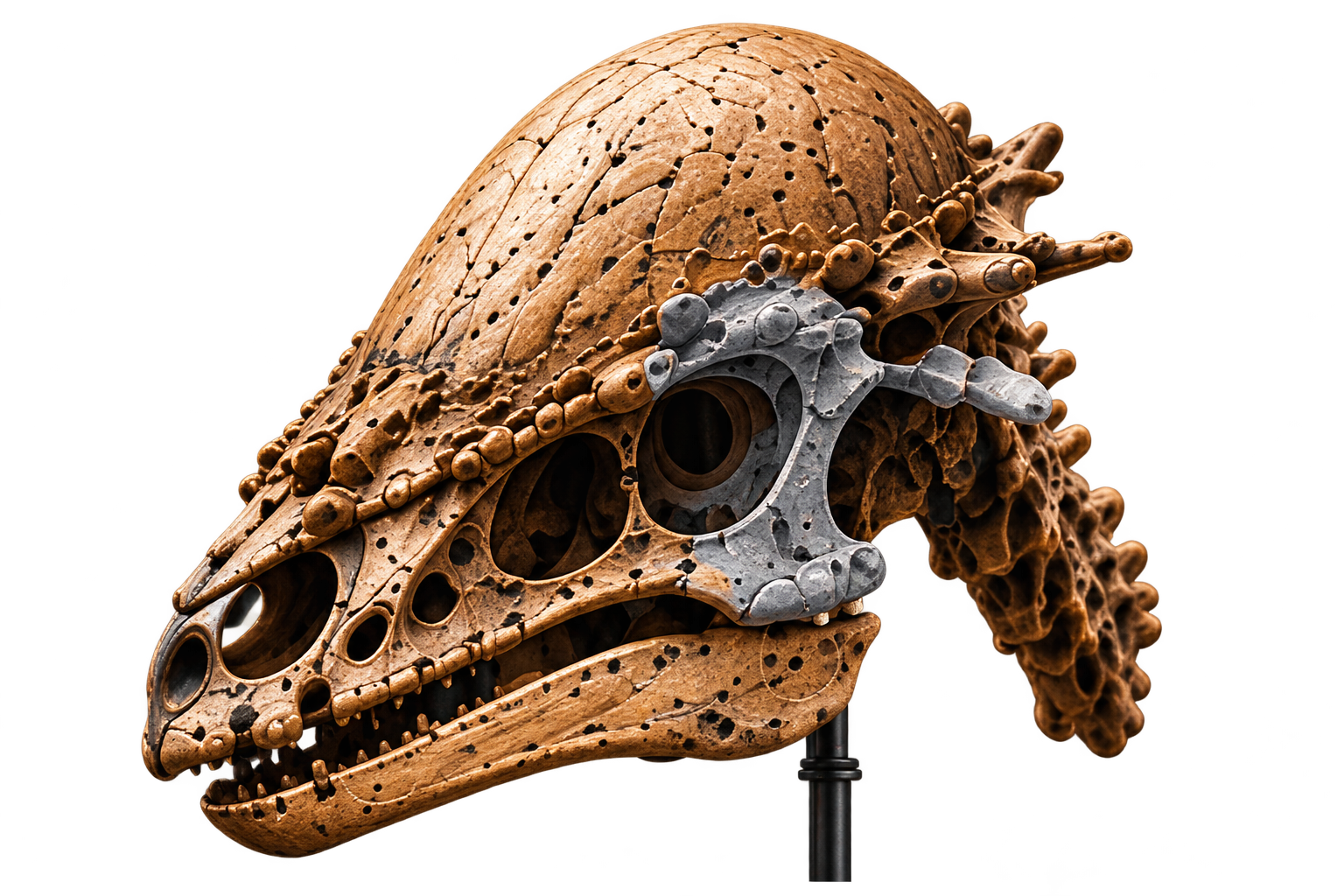
Fossil frontoparietal dome
Formation
Lance Formation
Availability
Institutional acquisition
Fossil completeness
About 80% of the dome (estimate)
Mount and display
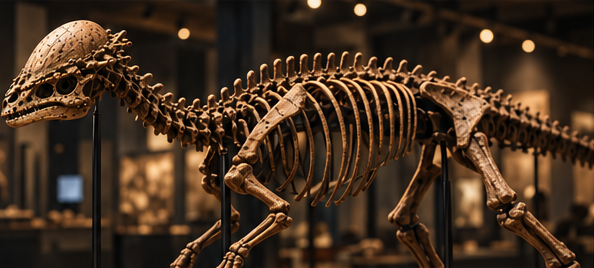
Reconstructed skeleton mount
Notable feature
Preserved braincase sutures
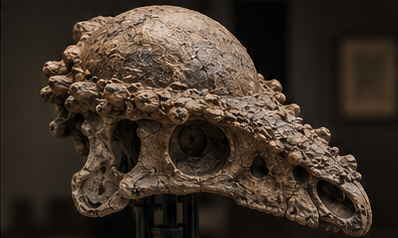
Original material: frontoparietal dome comprising the fused frontal and parietal bones. The surrounding skull and mounted skeleton are reconstructed. A 3D-printed insert replaces missing material at the top of the original dome.
Found during the 2014 field season. Estimated completeness is approximately 80% of the frontoparietal element, not the skull or skeleton.
Detailed anatomical measurements and supporting documentation are available for institutional review as verified records are completed.
Authenticity & Preparation
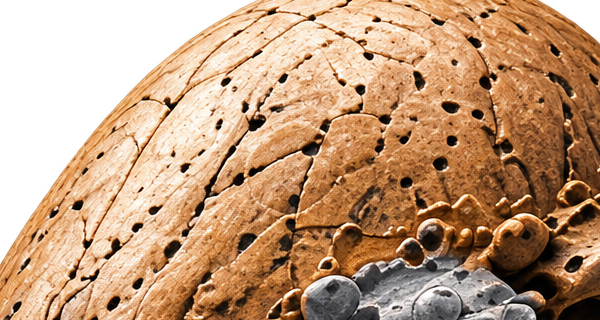
The frontoparietal dome is original fossil bone. A 3D-printed insert fills missing material at its top. The surrounding skull and mounted skeleton are reconstructed.
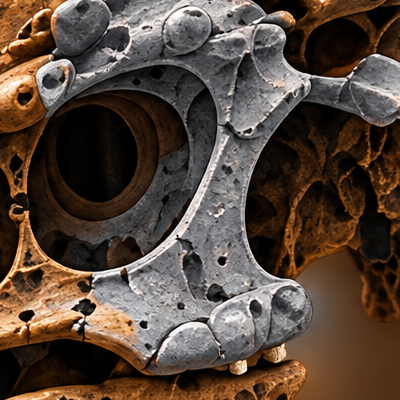
Illustrative diagram and close-ups. Marker positions are provisional.
Original fossil material
The fossil frontoparietal dome preserves its curvature. Sutures on the underside outline the upper braincase.
Illustrative original-dome detail · photographs pending
Meet the Pachycephalosaurus

Pachycephalosaurus wyomingensis
Living approximately 69 to 66 million years ago during the Late Cretaceous, Pachycephalosaurus was a remarkable two-legged dinosaur that inhabited the ancient landscapes of North America. Its name means “thick-headed lizard,” a reference to the extraordinary dome of solid bone that crowned its skull, surrounded by smaller bony knobs and spikes.
What purpose did this unusual skull serve? Paleontologists have debated that question for decades. Some evidence suggests these dinosaurs used their reinforced heads in physical contests with one another, while other research points to visual display or recognition. The precise role of the dome remains an intriguing scientific mystery.
Despite its distinctive appearance, Pachycephalosaurus remains relatively poorly understood. Much of what scientists know comes from fossilized skull domes, while other skeletal elements are considerably rarer. Each well-preserved specimen offers an opportunity to better understand the anatomy, evolution, and behavior of one of the Late Cretaceous’s most unusual dinosaurs.
Scientific name: Pachycephalosaurus wyomingensis
Period: Late Cretaceous, approximately 69–66 million years ago
Region: North America
Locomotion: Bipedal
Diet: Generally considered primarily herbivorous
Distinctive feature: A thick, rounded skull dome with bony ornamentation. Researchers continue to debate whether the dome was used in physical contests, display, or both.